
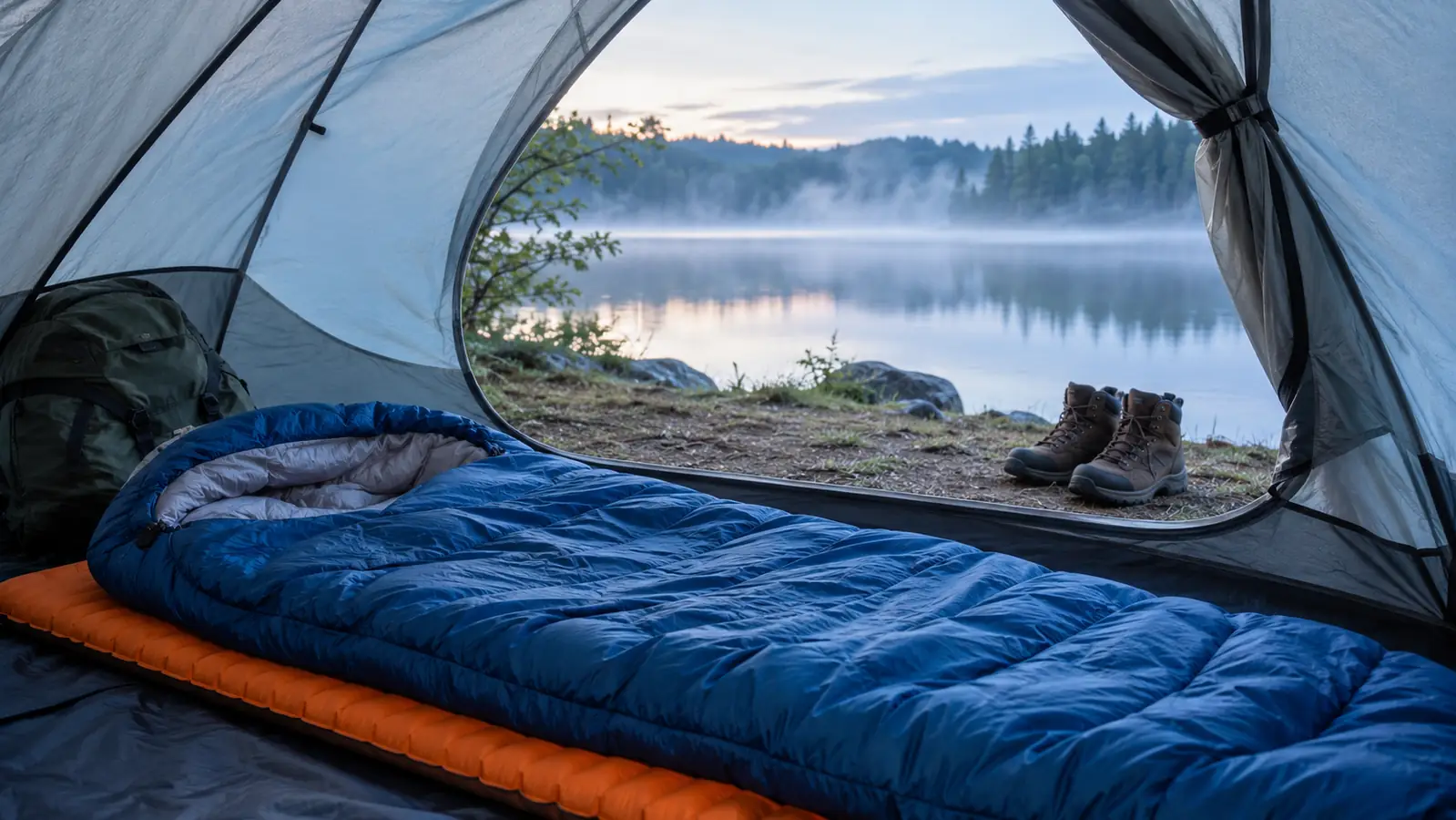
The first thing worth saying about the TETON Sports 20F sleeping bag is that the number on the label is not the number you should plan your night around. That sounds like a complaint. It is not, exactly. It is the most useful thing I can tell you before you spend anything, and it is the detail the product page tucks into a bullet point that most people skim straight past.
TETON Sports rates this bag to +20F as a survival rating. The comfort rating, meaning the temperature where a normal adult actually sleeps instead of curling up and counting the hours, sits 20 to 30 degrees warmer. I am 61, I live in Bend, Oregon, and I have slept in this bag at Cascade Lakes campgrounds in June, in the Three Sisters Wilderness in September, and in the back of a 2014 Subaru Outback at a trailhead in October when the thermometer read 34. I have a stiff left knee from an old ski injury and a back that objects to thin pads, so I am not the reviewer who will call a bag fine because it weighs nothing. Weight matters. Waking up able to stand up straight matters more.
The Quick Verdict
A warm, roomy synthetic mummy bag that is honest about its own rating, if you read the number correctly. Good for car camping and cool-weather weekends. Cramped for a lightweight backpacker with a small pack.
Amazon Check Today's Price →The bag I pack when the forecast says forty and I do not trust it
The TETON Sports 20F is a synthetic mummy bag with a hood that cinches, a vaulted footbox, and a zipper draft tube. It weighs 2.9 pounds, it ships with a compression sack, and it is the bag I hand to friends borrowing gear for a cold weekend.
Amazon Check Today's Price on Amazon →What the +20F Rating Actually Means
Sleeping bag ratings are not measured the same way by every brand, and that is the root of most bad nights out. A survival rating is the temperature at which a person in a bag, wearing reasonable layers, will probably not slip into hypothermia. A comfort rating is the temperature at which they will sleep. Those two numbers are often thirty degrees apart, and plenty of listings show you only the flattering one. TETON Sports publishes both, and says plainly that comfort runs 20 to 30 degrees higher than the +20F survival number. That is more candor than most of the sleeping bag aisle offers.
What it means in the field, in my experience: at 50F I sleep in a light base layer and I am comfortable. At 40F I add a fleece and a hat and I am still comfortable. At 32F I have the hood cinched down to my nose, I am wearing everything I brought, and I sleep, but I wake up once or twice in the night. At 25F I am camping rather than sleeping. If your shoulder-season trips bottom out around freezing, this is a workable bag. If you are planning nights in the low twenties, it is the wrong tool and no amount of zipping will fix it.
The other half of that equation is underneath you. A sleeping bag does not produce heat. It traps the heat you already make, and the pad you put under it decides how much of that heat drains into the ground. I use an insulated pad rated for cold nights, and the difference between that and a thin closed-cell foam pad under the same bag is worth more than the difference between this bag and the next one up the line. Buy the pad first if you are choosing between two purchases.
How I've Used It on Real Trips
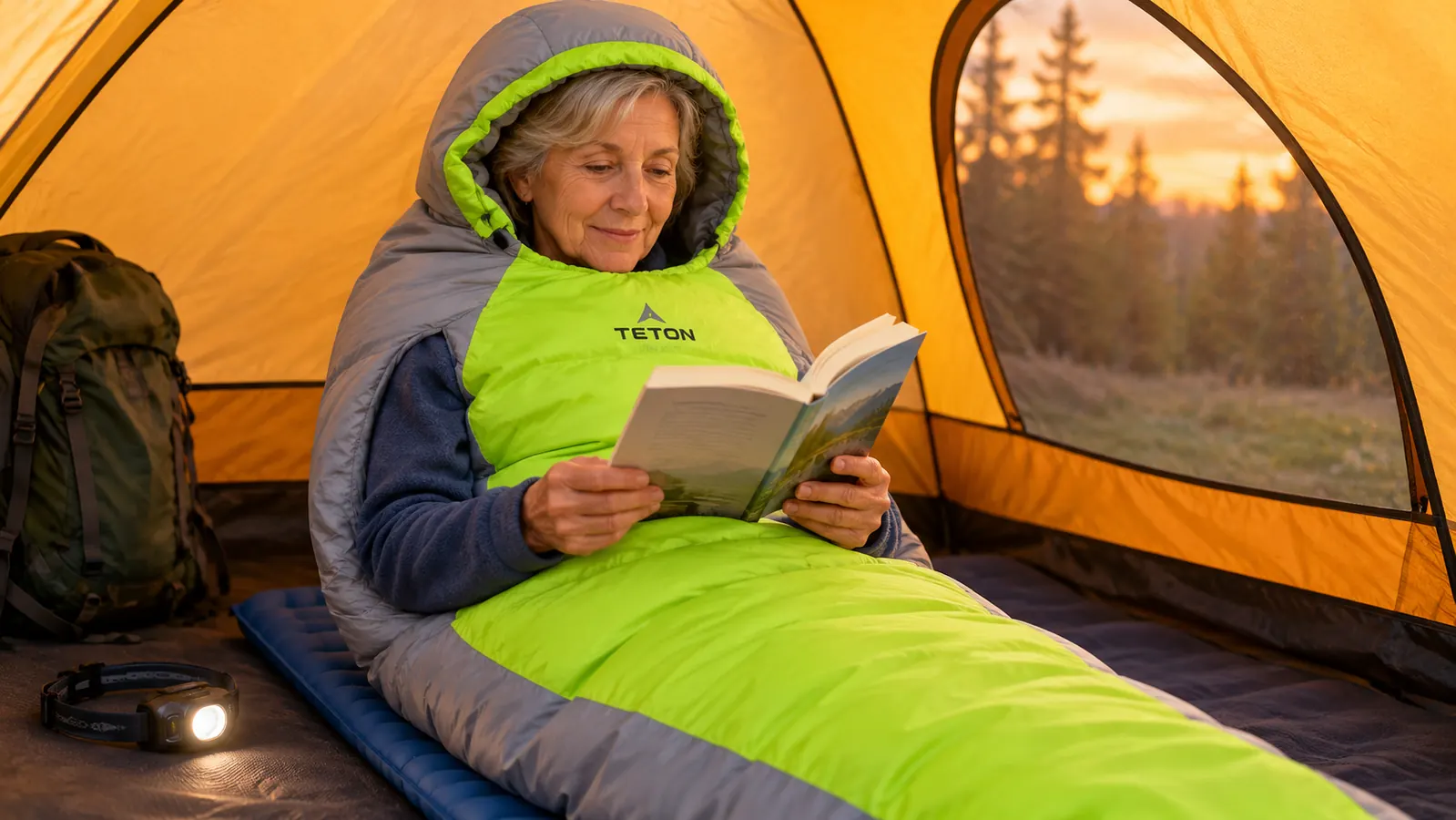
The first trip was a two-night car camping weekend at a Cascade Lakes campground in June, with a forecast of rain and lows around 38. I laid the bag out on an insulated pad in the tent, and by the second night I had the routine down: base layer, fleece, hat, hood up, zipper pulled to my chin. It rained both nights and the synthetic fill never once felt cold or clammy, which is the whole argument for synthetic over down in the Pacific Northwest compressed into one sentence. Down is lighter for the warmth it gives you. Down also gives that warmth away if it gets wet and you cannot dry it out. This bag does not have that problem, and on a wet trip that is not a small thing.
The second trip was three nights in the Three Sisters Wilderness in September with my husband Dale. We hiked in, so every ounce got weighed and reweighed on the kitchen scale before we left. The bag went in at 2.9 pounds with the compression sack, which is not ultralight and does not pretend to be. Compared with a down bag I borrowed once, it cost me about a pound. Compared with the bag I owned before, it cost me less than a pound and slept noticeably warmer at the same pack weight.
The third trip was less of a trip and more of a night. We drove to a trailhead west of town in October, slept in the back of the Outback, and got up before light to hike. The overnight low was 34. I was warm enough to sleep, which surprised me in a car where you are not generating much heat, and I was stiff in the morning for reasons that had nothing to do with the bag. My back has a long memory. It is a fine bag for a trailhead bivvy, and the hood earns its keep when you are not in a tent.
The Fit, the Hood, and the Footbox
The bag is listed at 87 inches long and 32 inches wide, with a maximum height recommendation of 7 feet. I am 5 foot 6. That means I have a lot of bag around me, and it also means there is dead air down at my feet and up past my shoulders that my own body has to heat. On cold nights that extra volume is a real cost, and it is the main reason a shorter sleeper might actually be warmer in a shorter bag. On the other hand, if you are a tall person who has spent years with cold toes because every bag ends above your ankles, this is a bag that will finally fit you.
The mummy cut tapers from the shoulders down. I am not a small person around the middle anymore, and I can still turn over inside it without fighting it. The vaulted footbox is the part I notice most, because it holds a pocket of space around your feet instead of compressing the insulation flat against them. My feet run cold, and the difference between a bag where your toes touch the end and one where they do not is the difference between a night's sleep and a night's fidgeting.
The hood is the other piece worth describing. It is shaped to come around your head and face, and it cinches down so that only your nose and mouth are out. I do that at 32F and it works. The trade is that a hood pulled tight on a mild night is too much, and you end up with the bag around your shoulders like a quilt, which this bag does not do as gracefully as a rectangular one. It is a mummy bag. It fits like one, and it expects you to sleep like someone in a mummy bag.
Insulation, Packed Size, and What 2.9 Pounds Feels Like
The fill is a synthetic microfiber, the shell is ripstop polyester, and the whole thing weighs 2.9 pounds. For a synthetic bag rated this way, that is a reasonable number rather than a marketing number. It compresses into the sack it comes with, and it does not come back to full loft instantly when you shake it out at camp. Give it ten or fifteen minutes before you climb in and it is closer to what you bought.
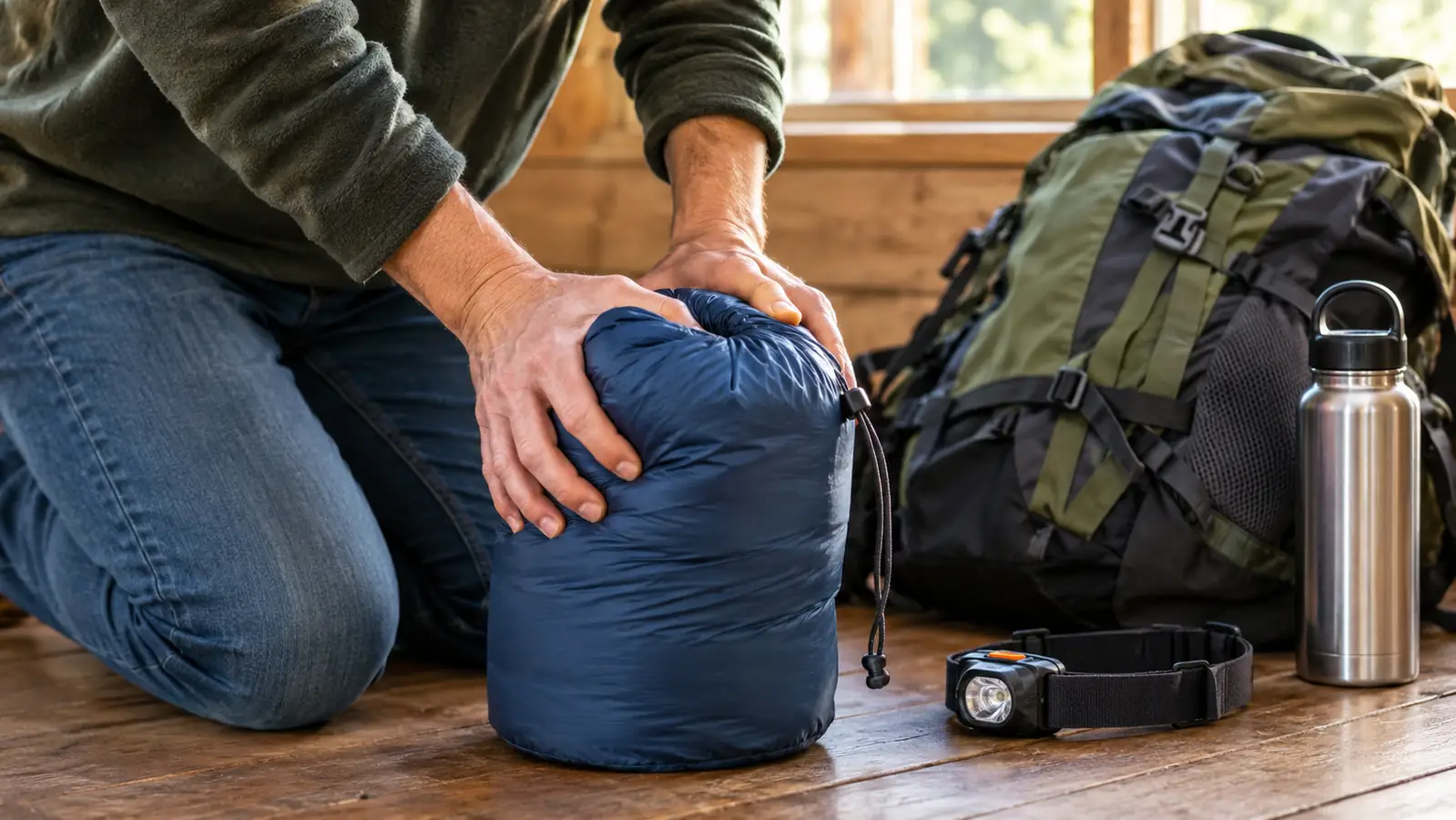
Packed, it takes up a real share of a 50 liter pack if you let it. That is the cost of synthetic insulation at this level of gear and there is no way around it. If your pack is 40 liters and you are also carrying food and a tent, this bag will crowd you, and I would rather say so to your face than let you find out at the trailhead with everything already spread across the living room floor.
Where the weight and the bulk pay you back is durability. Ripstop polyester shell fabric resists the abrasion of a tent floor and a campsite picnic table. I have had mine on granite, on duff, and once on the pavement of a trailhead parking lot while I repacked, and there are no runs or thin spots. Synthetic fill also keeps trapping heat when it is damp, which is why it is still in my gear bin after the trips where the forecast was wrong in the wet direction.
Storage is the one habit that keeps a synthetic bag working. I hang mine in the garage between trips rather than leaving it crushed in the sack, and it comes back to loft faster every season because of it. The compression sack it ships with has held up fine. I would not call it the strongest sack I own, but it has survived three seasons without a tear, which is more than I can say for the sack that came with my first bag.
At 40F this bag is a good night's sleep. At 25F it is a survival rating doing exactly what a survival rating is supposed to do, which is keep you alive and not comfortable. Read the label the way TETON Sports writes it and you will not be disappointed.
The Small Annoyances Nobody Mentions
The zipper snags. Not every time, and not badly, but when you are half asleep in the dark and pulling the zipper up past your shoulder, the fabric beside the draft tube will catch the slider. The draft tube itself does its job, which is to block the cold seam of air that runs down a zipper, and it does that well enough that I do not notice the seam at 35F. It does make zipping a two-hand job if you are in a hurry, and in a small tent at two in the morning you are often in a hurry.
The shell fabric is loud. Ripstop polyester has a crisp sound to it, and in a quiet campground at five in the morning when you roll over, everyone in the neighboring site knows about it. This is a small thing that becomes a larger thing on the fourth night of a trip when you are trying not to wake the tent next door. It softens with use, but it does not go away.
The length cuts both ways, as I said earlier. The bag is generous, which is good for tall sleepers and less good for anyone under about 5 foot 8 who is trying to stay warm at 30F. If you are shorter and you camp cold, plan to wear an extra layer on your feet or accept that you are heating more air than you need to. These are also sold as single bags, one person per bag, so couples should plan on two of them rather than counting on turning a pair into a double.
What I Liked
- Publishes both a survival and a comfort rating, which most listings do not
- Warm and dry down to about 40F with a base layer and a fleece
- Vaulted footbox keeps insulation from flattening under your feet
- 87 inches long, so tall sleepers fit without cold toes
- 2.9 pounds, with a compression sack included
- Synthetic fill keeps trapping heat when the weather turns wet
- Ripstop polyester shell has held up to granite, gravel, and pavement
Where It Falls Short
- Not a true 20F comfort bag, and the label is honest about that
- Bulky packed, and it will crowd a 40 liter pack
- Shell fabric is loud enough to hear across a quiet campground
- Zipper snags on the draft tube when you rush it in the dark
- Generous length means shorter sleepers heat air they do not need
- Needs ten minutes out of the sack before it reaches full loft
Who This Is For
This is a bag for the car camper who wants one bag that handles a three-season weekend without thinking about it, and for the backpacker who does two or three nights at a time and is not chasing an ultralight base weight. If your trips run from June through early October and your overnight lows mostly sit between 35 and 55, this bag will do everything you ask of it. It is also a good first real bag for someone moving up from a rectangular car camping bag, because the mummy cut and the hood teach you why the shape exists in the first place.
It suits tall sleepers especially well. If you have spent years with your shoulders jammed against the top of a bag and your feet pressing the insulation flat, 87 inches of length and a vaulted footbox will feel like an upgrade you did not know you were missing.
Who Should Skip It
Skip it if you camp in the low twenties or below and you want to sleep rather than endure. The +20F on the label is a survival rating and TETON Sports says as much right there in the listing. Buying this bag for a February trip and then blaming the bag is a reading problem, not a bag problem.
Skip it if you are counting ounces on a long through hike, or if your pack runs small. At 2.9 pounds and a packed size closer to a melon than a football, it is a comfort-first bag. And skip it if you sleep hot and you mostly camp in July, because you will spend the night on top of it rather than in it, and a lighter quilt would serve you better for that kind of trip.
Read the rating honestly and this bag earns its place in the gear bin
Synthetic fill, a hood that cinches, a vaulted footbox, and a published comfort rating that tells you the truth. It is not a twenty degree bag in the way a mountaineer means it. It is a solid three-season bag for real campgrounds and real weekends, and it has never let me down when I packed for the forecast instead of the label.
Amazon Check Today's Price on Amazon →