
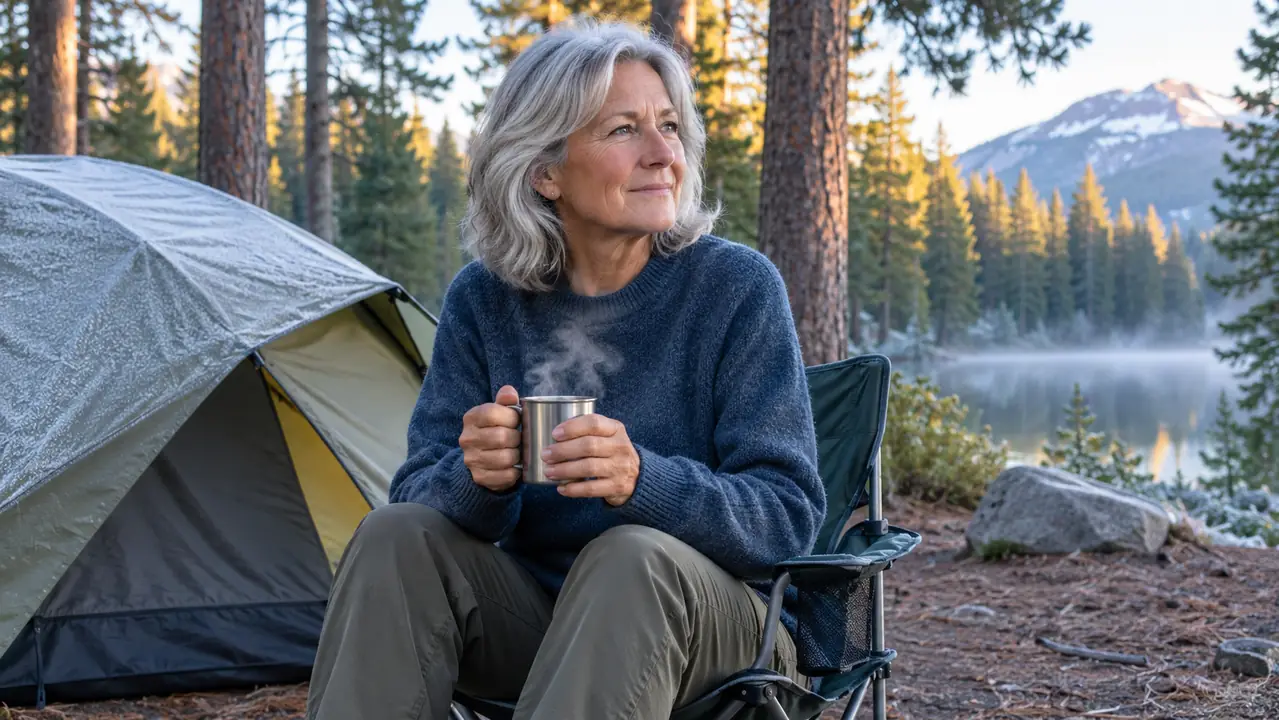
The first thing I do on a cold morning is check the thermometer. That morning at a Cascade Lakes campground it read 27 degrees Fahrenheit, with frost in a solid gray sheet across the tent fly. Dale was still asleep and comfortable. I was not. I had spent the night curled around a cold spot in a sleeping bag I bought when I was still teaching.
I am 61, I taught middle school science for 31 years, and I have camped since I was eight, so this was not a beginner's mistake. It was a gear mistake. My old bag was heavy, bulky in the back of the Outback, and the temperature rating on it was a number somebody in a marketing department picked. Then Dale got tired of hearing me complain, and he started reading listings out loud at the kitchen table one evening. That is how TETON Sports came up.
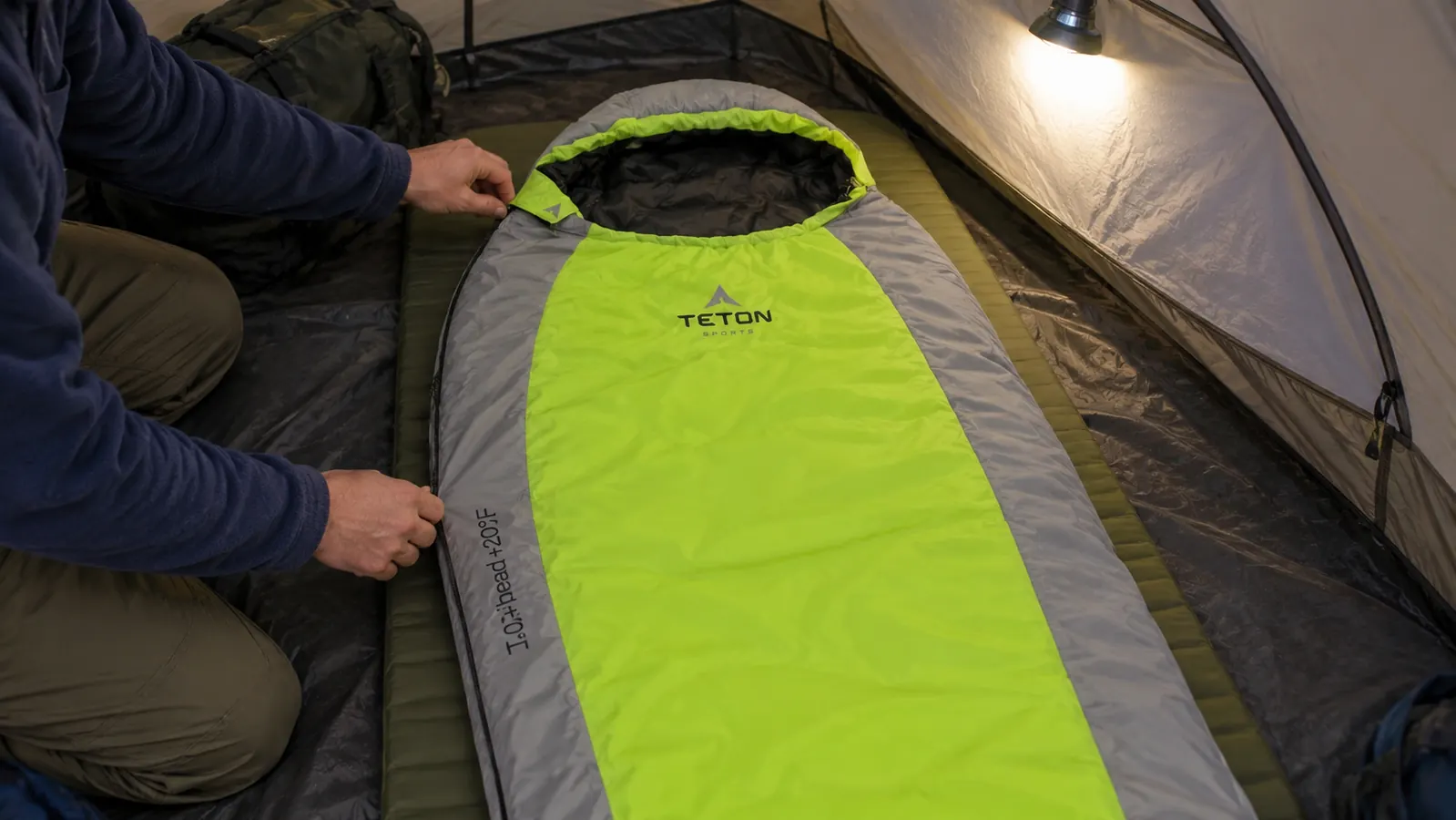
What caught my attention was not a promise about warmth. It was the weight. Two point nine pounds, with a compression sack included. My old bag weighed more than my tent. I have a left knee that has been stiff since a ski injury in my thirties, and a back that files complaints about thin pads, so weight and pack volume are not abstract numbers to me.
Then I read the ratings carefully, and that is what actually sold me. The listing says survival rated to plus 20 Fahrenheit, and comfort rated 20 to 30 degrees higher than that. That is the most honest sentence on the page, and it is why I trusted the rest of it. A bag that tells you it will keep you alive at 20 and keep you comfortable closer to 40 or 50 is telling you the truth about what it is. Most bags print the scary number and let you find out the rest at two in the morning.
The specs read like a mummy bag built by someone who has slept outside: a hood that closes around your head, a zipper draft tube, a vaulted footbox so your toes are not pressed flat, 87 inches long and 32 inches wide, with a maximum height recommendation of 7 feet. Ripstop shell, microfiber insulation, synthetic fill. I am five foot six, so I have room to spare, and I would rather have that than a bag I have to fold myself into like a letter.
I had been blaming my age for a problem that was twenty years old and made of tired polyester.
The bag that finally made a 27 degree night survivable for a 61 year old with a bad knee
2.9 pounds, a compression sack included, survival rated to +20F and comfort rated honestly 20 to 30 degrees warmer. Check today's price and read the ratings yourself before you commit.
Amazon Check Today's Price on Amazon →The first real test was a two-night trip in the Three Sisters Wilderness in late September, when the overnight low has no manners. I put the TETON Sports bag on top of a full-length pad, wore a hat and dry long johns, and zipped the draft tube down properly. I slept through until a little after five, which for me on a cold night is unheard of. The hood takes a night to get used to. It is doing real work, trapping warm air around your head, but it feels like wearing a helmet for the first hour.
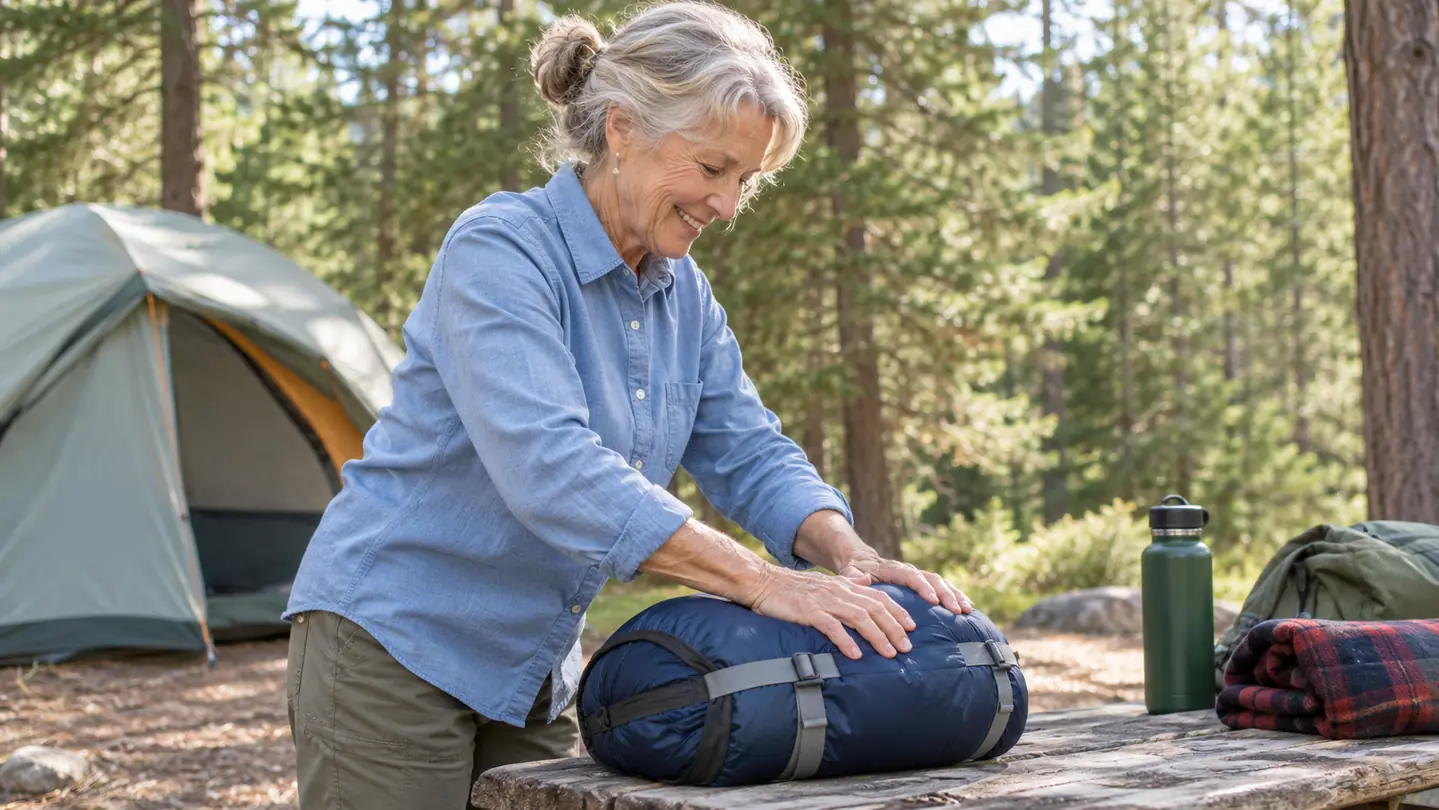
Two things I noticed that matter more than I expected. The first is the vaulted footbox. My old bag compressed my toes into a wedge and I would wake up with cold feet at three in the morning, and cold feet wake up the rest of you. The second is the draft tube behind the zipper. Cold air finds a zipper like water finds a seam, and this one has a real tube of fabric behind it, not a token flap. I still run a hand along the zipper before I settle in, out of habit, and I have not found a cold stripe yet.
Now the part a seller would leave out. A mummy cut is snug by design, and if you are a side sleeper who likes to sprawl, you will feel it. It is a two point nine pound synthetic bag, which is light for car camping and reasonable for a weekend backpacker, but it is not what a thru-hiker would carry. And the comfort rating, honest as it is, means this is a three-season bag, not a winter bag. In January in the Cascades I would be renting a cabin and drinking something warm, not testing my luck.
The other thing I will say plainly: a sleeping bag cannot fix a bad pad. My back reminded me of that on the first night when I tried to save weight and brought the thin foam pad. The bag performed exactly as advertised and my back still told me about it in the morning. Bring the pad that fits your back. The bag is not a mattress and it never claimed to be.
What I'd Tell You If We Were Sitting at My Kitchen Table
I would tell you to stop shopping for warmth and start shopping for honesty. Every bag on the shelf claims a number. Very few tell you the difference between the number that keeps you alive and the number that keeps you comfortable, and that gap is where most miserable nights live. The TETON Sports bag printed both, and that is why it is in my gear bin now. Then I would tell you to weigh your current bag on the kitchen scale before you buy anything. If it comes in over four pounds and you are the one carrying it up a trail with a stiff knee, you already know what to do. Finally, I would tell you to test it in the driveway on a cold night in October before you drive two hours to a trailhead. It is a lot easier to walk back into the house than it is to walk back out of the wilderness.
Weigh your old bag first. Then look at this one.
Mummy cut, hood, draft tube, vaulted footbox, 87 by 32 inches, 2.9 pounds with the compression sack. Survival rated to +20F, comfort honestly rated warmer. It is the bag I wish I had bought three seasons ago.
Amazon See the TETON Sports Sleeping Bag on Amazon →