
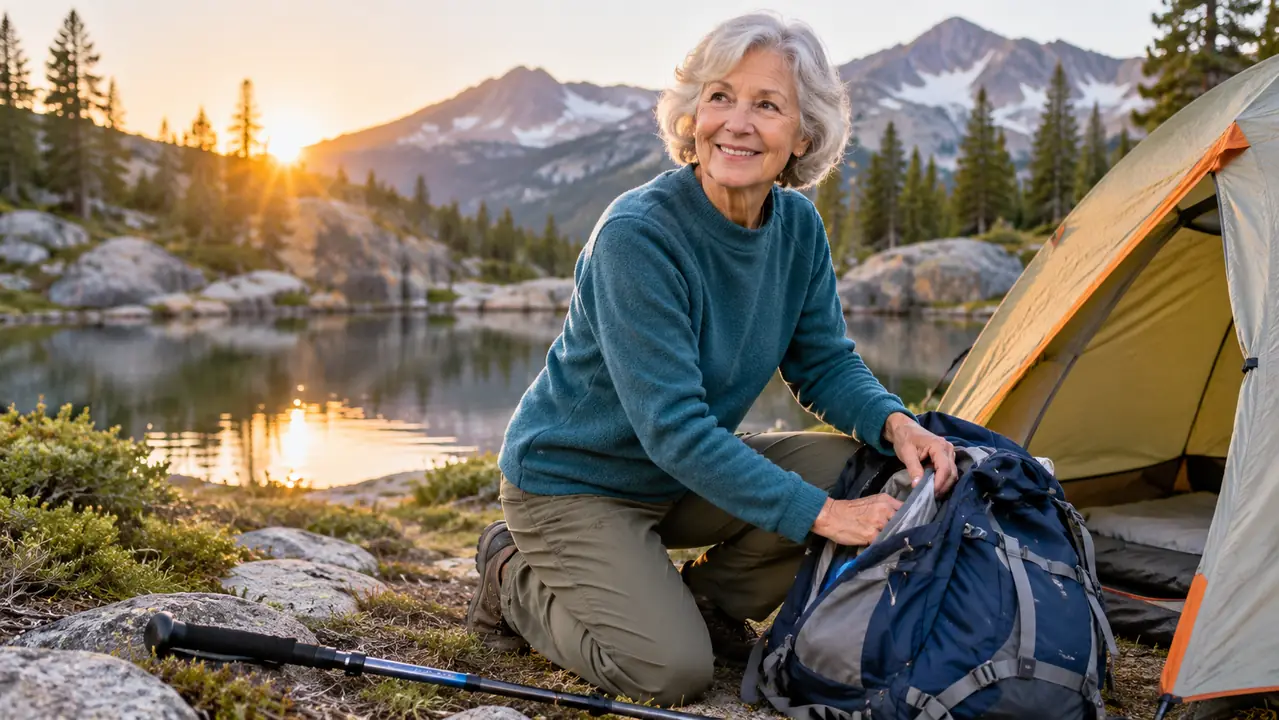
I turned sixty-one this spring, and the tent I carried at thirty-five is not the tent I carry now. It is not that I got weaker. It is that my left knee, wrecked skiing in my twenties, started sending me invoices. So two summers ago I began counting ounces on purpose, and the tent that ended up in my pack is the Naturehike Cloud-Up 2. Dale and I have slept in it at trail camps in the Three Sisters Wilderness and at a Cascade Lakes campground where the ground flatly refused to take a stake. Here is what changed for me, roughly in the order it changed.
None of this is about the lightest number on a spreadsheet. A tent that weighs nothing and sleeps badly is a bad tent at sixty-one. What I wanted was a tent that took weight off my back without taking away the sleep I need to hike out the next day. That is a narrower target than it sounds, and this one hits most of it. I wrote up the long version of my two seasons in this tent, and how it stacks up against the freestanding car-camping tent we keep for the Outback, if you want the detail behind these ten points.
The tent that took three pounds off my hips
Four pounds three ounces, freestanding, and it packs into a long thin bundle that slides down beside a sleeping bag instead of fighting it. If your pack got heavier for the same trip, this is the first place I would look.
Amazon Check Today's Price on Amazon →4.3 pounds is the weight where my knee stops complaining
Naturehike lists it at four pounds, three ounces. That is not a number that wins arguments in gear forums. But the tent I replaced was closer to seven pounds, and that difference sits high on my hips at mile four, which is exactly where my knee starts talking. I put the saved weight straight into a better sleeping pad, and my back thanked me more than it ever thanked a lighter tent. If your pack has gotten heavier for the same trip, start here.
Packs to 15.7 by 5.1 by 5.1 inches, so the sleeping bag keeps the good spot
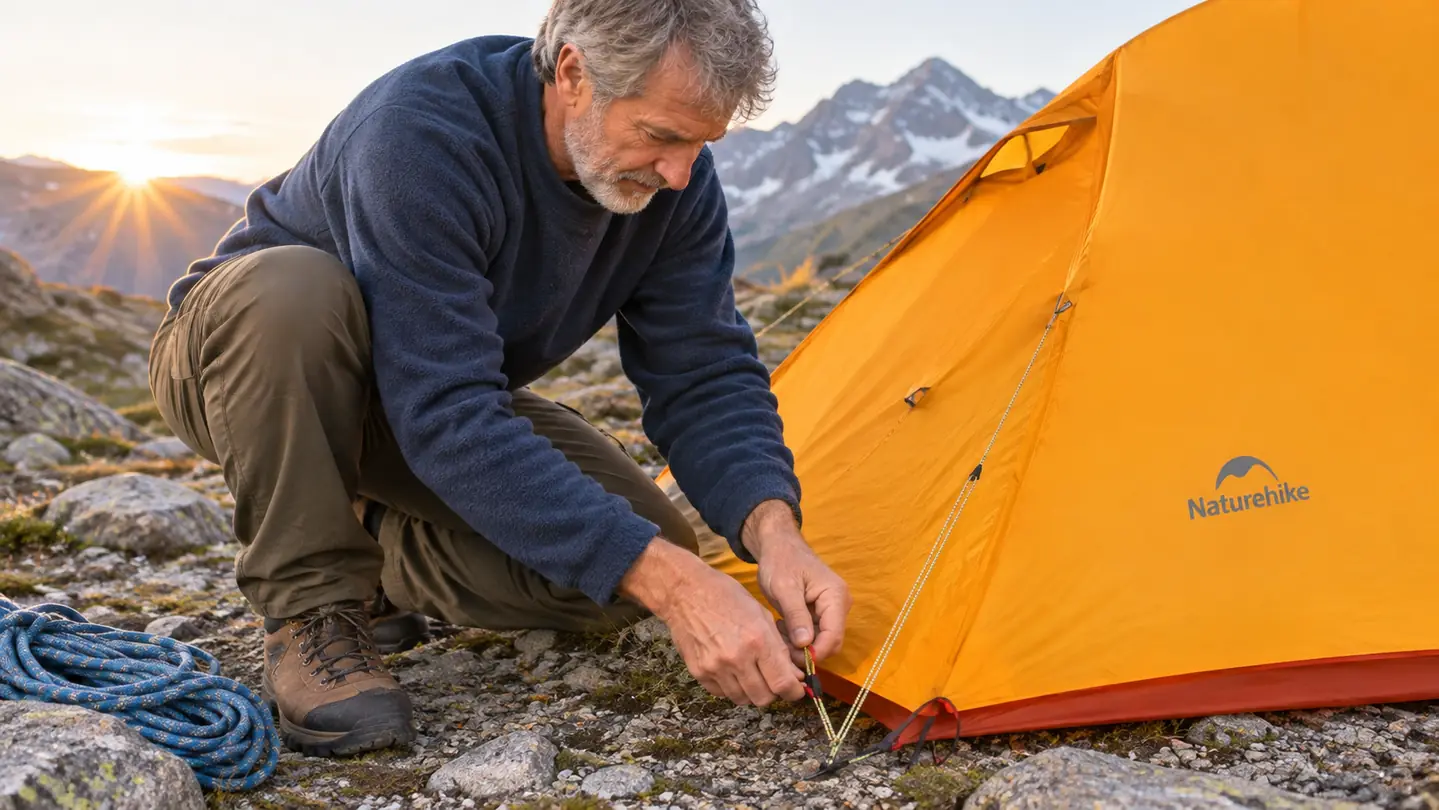
The packed bundle is a long thin tube, not a lump. The shape matters as much as the number. It drops down the side of a fifty-liter pack without shoving the sleeping bag out of the bottom, and on a short day I have strapped it on top and it rode there without swinging. Forty years of stuffing tents into packs taught me that shape beats a tenth of a pound on paper almost every time.
Free standing, so a pumice tent pad stops being a problem
Some of the best campsites in the Cascades are the ones where the ground is pumice and the stakes will not hold. Free standing means the poles do the work and the stakes are just insurance. I have pitched this one on a slab of lava rock and weighted the corners with rocks. If you have spent twenty minutes hunting for soft ground in the dark while your partner holds a headlamp, you know why this is item three. Naturehike includes the footprint in the box, which I did not expect.
Clips instead of sleeves, so it goes up before your fingers go numb
The poles clip on. No threading a pole down a long sleeve while the wind tries to turn the tent into a sail. With a stiff knee I set up standing more and kneeling less, and the clip design lets me build the frame first and drape the tent onto it. Shoulder-season evenings drop fast up high. The difference between four minutes and twelve matters when the light is going and your hands are already cold.
A 3000mm coating that has handled real shoulder-season rain
The fly is 210T polyester with a 3000mm waterproof rating, which is the number Naturehike prints and the number I tested. Ratings like that are easy to print and hard to trust, so here is what happened. A September night near Green Lakes, rain steady from eleven until four. We stayed dry and the floor did not wick through. I would not call it a storm tent, and I would still seal the seams on anything headed for a long Pacific Northwest soaking, but for three-season Cascades weather it has done the job.
41.3 inches of peak height, enough to sit up and find your glasses
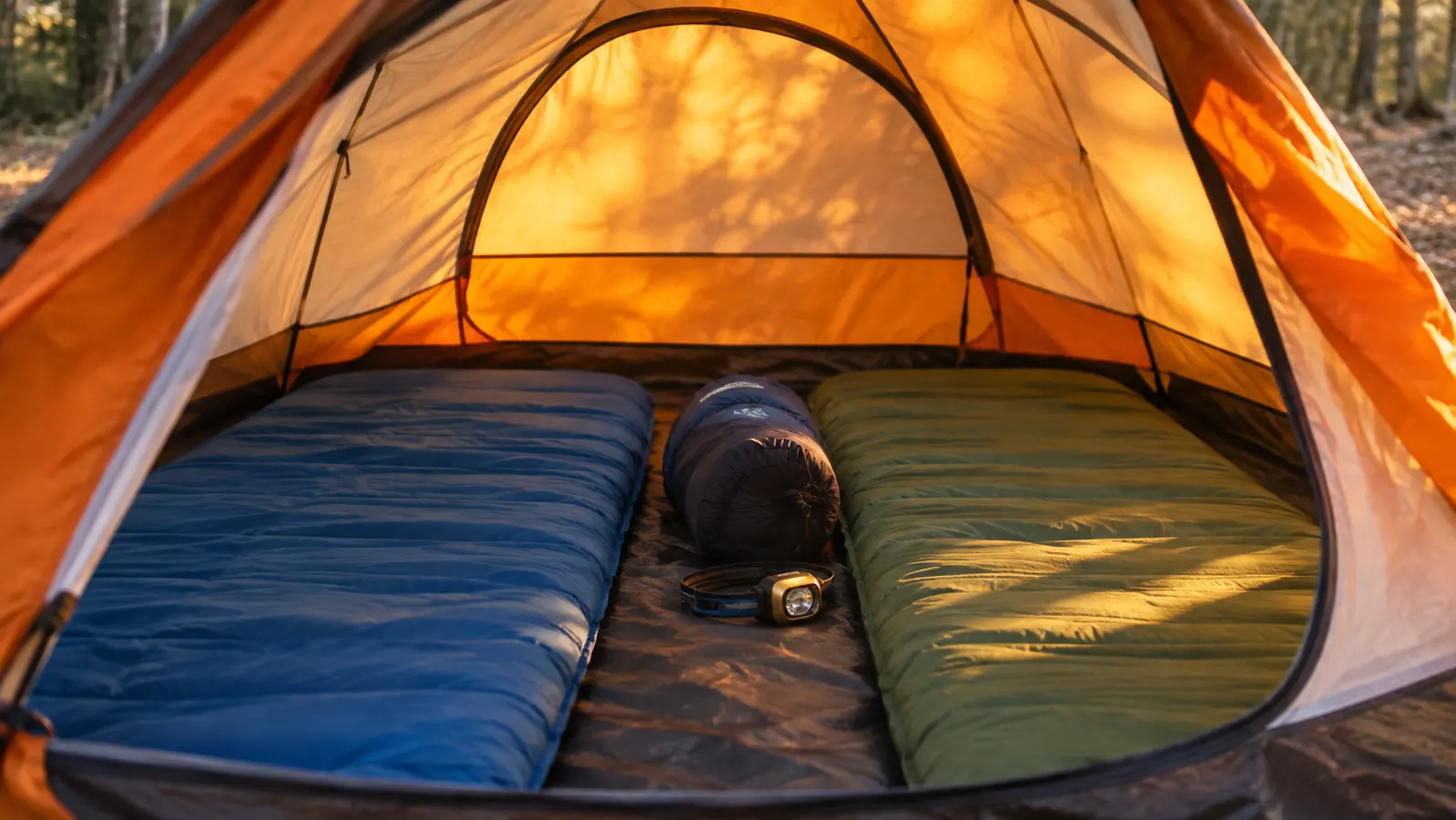
Peak height is 41.3 inches. At my age that is not a luxury, it is how I get dressed in the morning without flopping around like a landed fish. I can sit up, pull on a layer, find my glasses on the floor and reach the door zip without doing an abdominal crunch first. If your back has opinions about mornings, sit-up room buys you more than a few saved ounces ever will.
82.7 by 49.2 inches of floor fits two pads, snugly
The honest version. Two standard pads fit side by side with about an inch of margin, so if you both roll wide you will touch. Dale and I are not small people and we manage fine, but this is a two-person tent in the European sense, not the American one. If you want elbow room, buy a three-person and split the load. If you want to stop carrying a palace for two people, the floor plan is right.
A vent above the front door that keeps condensation off your bag
The updated Cloud-Up added a ventilation window above the front door. That reads like a marketing line until you have woken at five in the morning with the inside of the fly dripping onto your sleeping bag. Crack the vent, leave the door zip open a hand's width, and the worst of the condensation goes out instead of onto you. It is the least glamorous improvement on this list and the one I noticed first.
A three-season build that stretches your usable calendar
Three season is the honest label here, and it is not a winter tent. What it does mean is that my season starts in late April and runs into October in the Cascades, which is two more trips a year than I used to take. Add a warmer pad and a decent bag and you are comfortable down to the frost line. That covers most of what a hiker over forty actually does with a tent.
One tent for the trail and the Outback, so nothing sits in the garage
The last reason is the practical one. I car camp out of a 2014 Outback most summer weekends, and the Naturehike comes along. It goes up in minutes on a gravel pad, packs into a corner of the trunk, and needs no babying from me or from Dale. Gear that only does one job tends to stay home, and I have a shelf of it to prove that. This one has not stayed home once in two seasons.
What I'd Skip
Two things I would not buy this tent for. Winter camping, plainly: Naturehike calls it three season and I have no business pretending otherwise, and the fly will not carry a heavy snow load. And if you are over six foot two, 82.7 inches of length will feel like a box you are folded into by morning. I would add one more. If you only ever camp beside your car and never carry a pack, the weight saving buys you nothing, and a taller, roomier tent is a better use of your money.
The best tent at sixty-one is not the lightest one on the shelf. It is the one you can still pitch with cold hands and a knee that has had enough.
If your pack has gotten heavier for the same trip
The Naturehike Cloud-Up 2: four pounds three ounces, freestanding, 3000mm waterproofing, and it stayed dry through a wet September night in the Cascades. Three seasons, two people, one long thin bundle in the bottom of the pack.
Amazon Check Today's Price on Amazon →